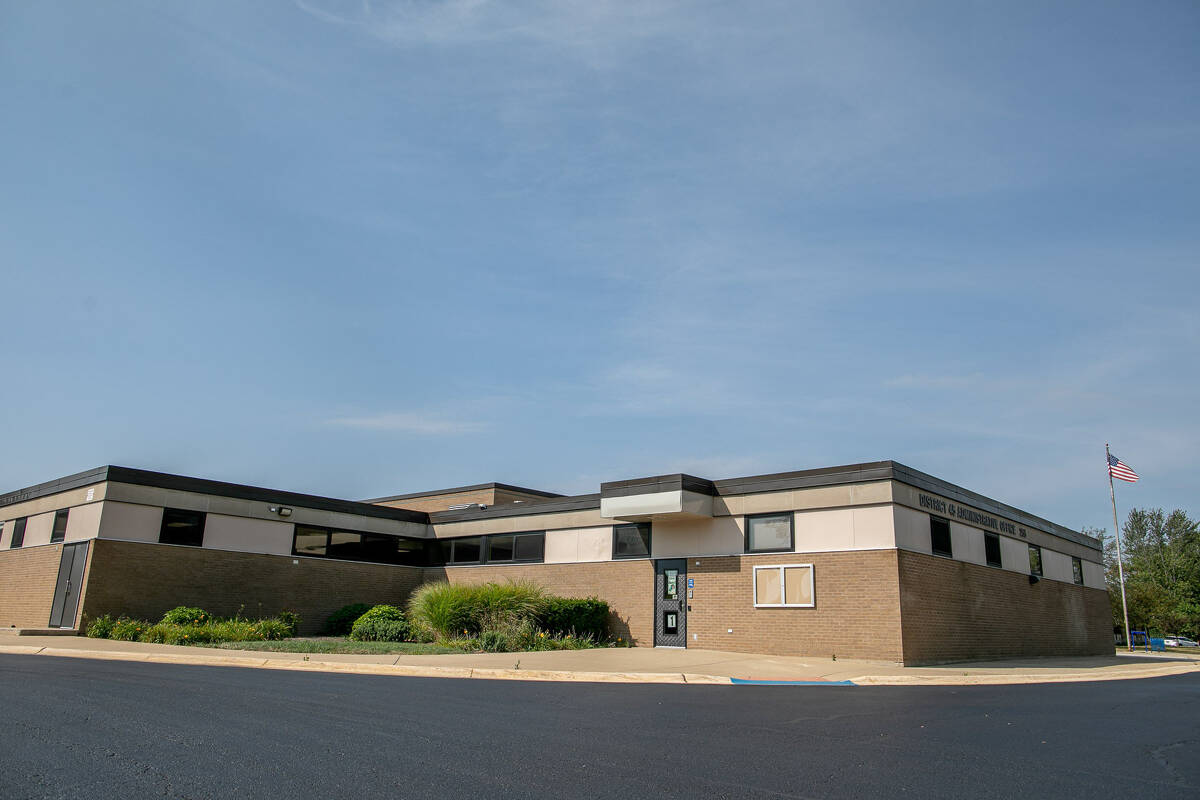
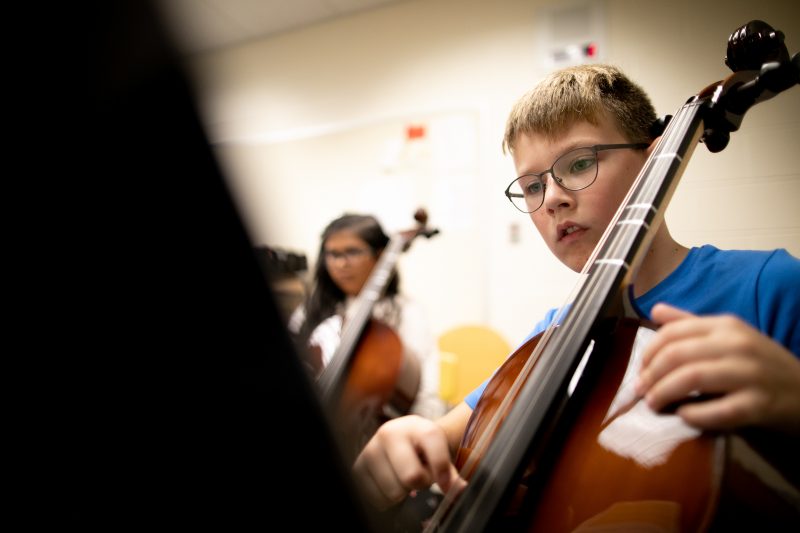
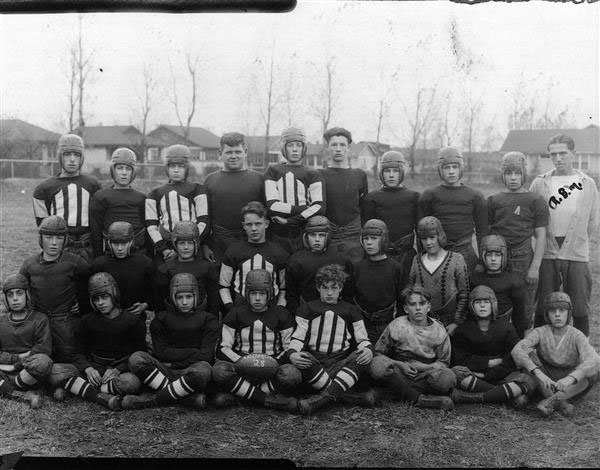
School District 45 has a rich history of providing quality education that dates back over 160 years.
The district was originally formed in April 1857 as District 9, Town of York—now York Township. Elected that year as directors were Mr. F. Sumers, Mr. A. Hatfield and Mr. T. Flier. The directors purchased a 100-by-200-foot lot for $10 each and borrowed $250 at 10% interest to fund construction of the first schoolhouse.
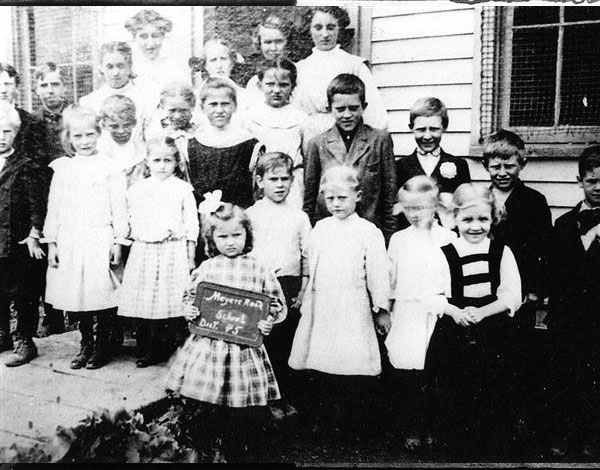
The Meyers Road Schoolhouse, a one-room frame structure, was built at the corner of St. Charles Road and Meyers Road (now Westmore Avenue). It was named after the prominent Meyer family, who settled in the area in 1851 after immigrating from Germany. The schoolhouse served 15 families, with a total construction cost of $872.95, including furnishings and the first year’s coal supply. Lumber and hardware were shipped from Chicago via the Galena and Chicago Union Railroad, the first rail line connecting Chicago to the area—now part of the Chicago and North Western system.
Classes began Dec. 24, 1857, with N.N. Johnson serving as both teacher and custodian, earning $33 per month. At that time, the three-member school board met once annually. By 1895, enrollment was 29 students with a $250 annual operating budget. In 1901, voters approved renaming District 9 to District 45. In 1908, $7,000 in bonds were issued to build a new schoolhouse, which opened in 1912 in the Village of Ardmore. The original school was closed. Ardmore School featured four rooms and served 59 students. By 1916, enrollment reached 148 students, with an $8,000 operating budget.
The Village of Ardmore became Villa Park in 1917. That year, voters approved an $18,000 referendum for a four-room addition. In 1920, the Board of Education expanded to seven members. Enrollment climbed to 322 students. By 1925, it had doubled to 600, prompting the hiring of the district’s first full-time superintendent, H.E. Hinkel, who served from 1925 to 1949.
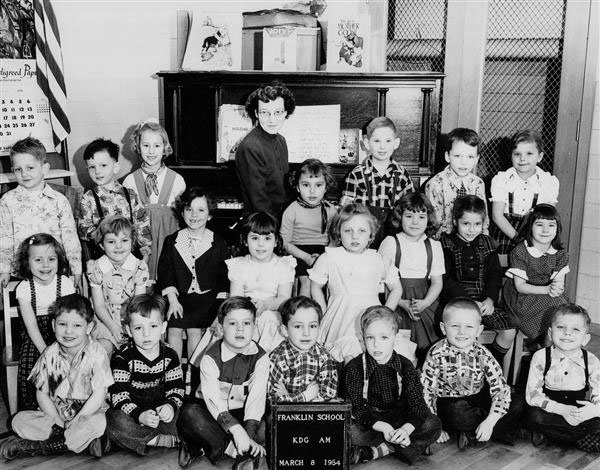
Anticipating continued growth following World War I, voters approved referendums to build four new schools: Lincoln and Washington in 1924, Westmore in 1926, and Franklin in 1927. The Great Depression brought financial hardship, and by 1932, the district issued teacher’s orders—promissory notes in lieu of pay.
Financial conditions eventually improved, but facilities needed upgrades. By 1942, enrollment reached 1,500. After World War II, a wave of new families moved in. A Citizens Advisory Committee (CAC) was formed to develop a long-range facilities plan in collaboration with the Board of Education, staff and the University of Chicago Survey Group. The resulting 10-year plan called for two junior high schools and 12 strategically located elementary schools to serve an estimated 5,500 students.
In 1950, voters passed a referendum to construct Villa Park Junior High (now Jackson Middle School) and expand Lincoln, Washington and Westmore Schools. By 1963, the district operated 10 elementary schools, with an 11th set to open that year. Two junior high schools served seventh and eighth graders. Enrollment totaled 5,626. The budget, excluding construction, was $2.7 million. The staff included 16 administrators, 213 certified teachers, 21 clerks and 30 custodians.
On March 17, 2020, voters overwhelmingly approved a $30 million bond referendum. The funding established full-day kindergarten, built a new Early Childhood Center, enhanced school safety and security, upgraded districtwide technology, and supported improvements to the STEM curriculum.